Can Highly Sensitive People (HSPs) truly thrive in NYC?
If you’re a Highly Sensitive Person (HSP) living in New York City, you may experience life here a little bit differently. But that doesn’t mean you can’t thrive. Here are a few tips for making the city your own.

Central Park, a place beloved by many. Especially HSPs!
Sensitivity and the City
In a fast-paced, high-stimulus environment like NYC, being a Highly Sensitive Person can feel like a burden rather than a gift. With its loud sirens, crowded subway trains, and always-on pace of life, NYC wasn’t exactly designed with HSPs in mind. We can go from feeling inspired to overwhelmed in a New York minute!
But wait…what’s a Highly Sensitive Person, exactly?
Based on research by Dr. Elaine Aron, there are four essential key traits associated with HSPs:
Depth of Processing: HSPs think deeply and typically take a longer time to consider all information in a situation before making decisions.
Overstimulation: HSPs are more prone to overwhelm due to too much stimulation, such as sensory stimuli in the external environment.
Emotional responsiveness and Empathy: HSPs are very empathetic and attuned to other people’s emotions.
Sensitive to Subtleties: HSPs typically notice details that others may miss.
While no two HSPs are exactly alike, these are the hallmark traits. Having these traits can sometimes feel challenging anywhere — and especially in a busy, loud environment like NYC.

It’s all too much!
So, is it really possible to Thrive as a HSP in New York City?
While the city that never sleeps can present some challenges for the more sensitive of us, that doesn’t mean we can’t enjoy life in the city.
As a HSP living in NYC, I’ve learned through my own experience the challenges of being a highly sensitive person here, and I’ve developed a few strategies for how to thrive.

Thriving in the concrete jungle.
How To Thrive as a Highly Sensitive Person in NYC
Note: Many of the strategies below are about managing stimulation. Because HSPs are more sensitive, we typically need less stimulation than the next person to be at our best. The amount of stimulation may vary from person to person, from day to day, from season to season. When using the tips below, experiment and see what works best for you.
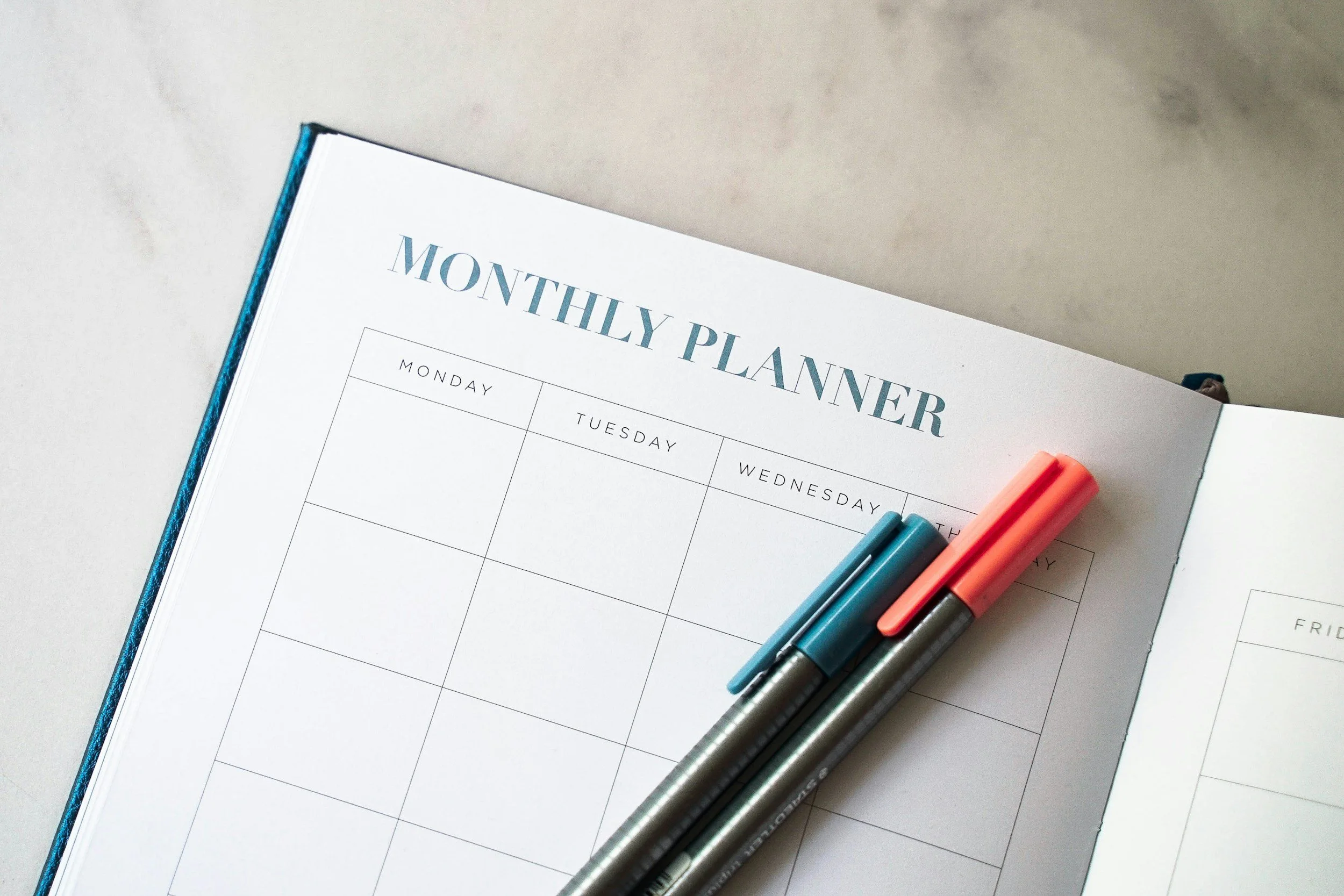
Being thoughtful about plans can help HSPs feel less overstimulated.
Accept that you can’t do everything. NYC has so much on offer, it’s easy to have a full calendar booked every hour of the day, and it’s literally impossible to do everything. While some people may thrive on the adrenaline rush of a nonstop schedule, you may not. Many HSPs find it overwhelming to have a packed schedule, and may benefit from pacing themselves, prioritizing activities, and committing to fewer obligations.
But don’t limit yourself too much, either. At the same time, HSPs who are feeling overwhelmed can sometimes tip towards the other end of the spectrum — from being too over-scheduled to totally opting out of life. So, experiment to find what works for you. Try to strike a balance between over-scheduled and never leaving your apartment. For HSPs especially, it’s helpful to find a personal sweet spot that supports your specific needs for stimulation and downtime. The goal here is not perfection, but staying attuned to your needs.
Embrace the aspects of living in NYC that support you. NYC abounds with cultural, intellectual, and artistic events. HSPs generally feel deeply, are empathetic, and find nourishment in the arts. Take advantage of opportunities to enjoy art, music, theater, and seek out like-minded community groups where you can reflect and express. A weekly language class, museum visit, or book club can be great for inspiration and connection. Find what lights you up and make time for these events.
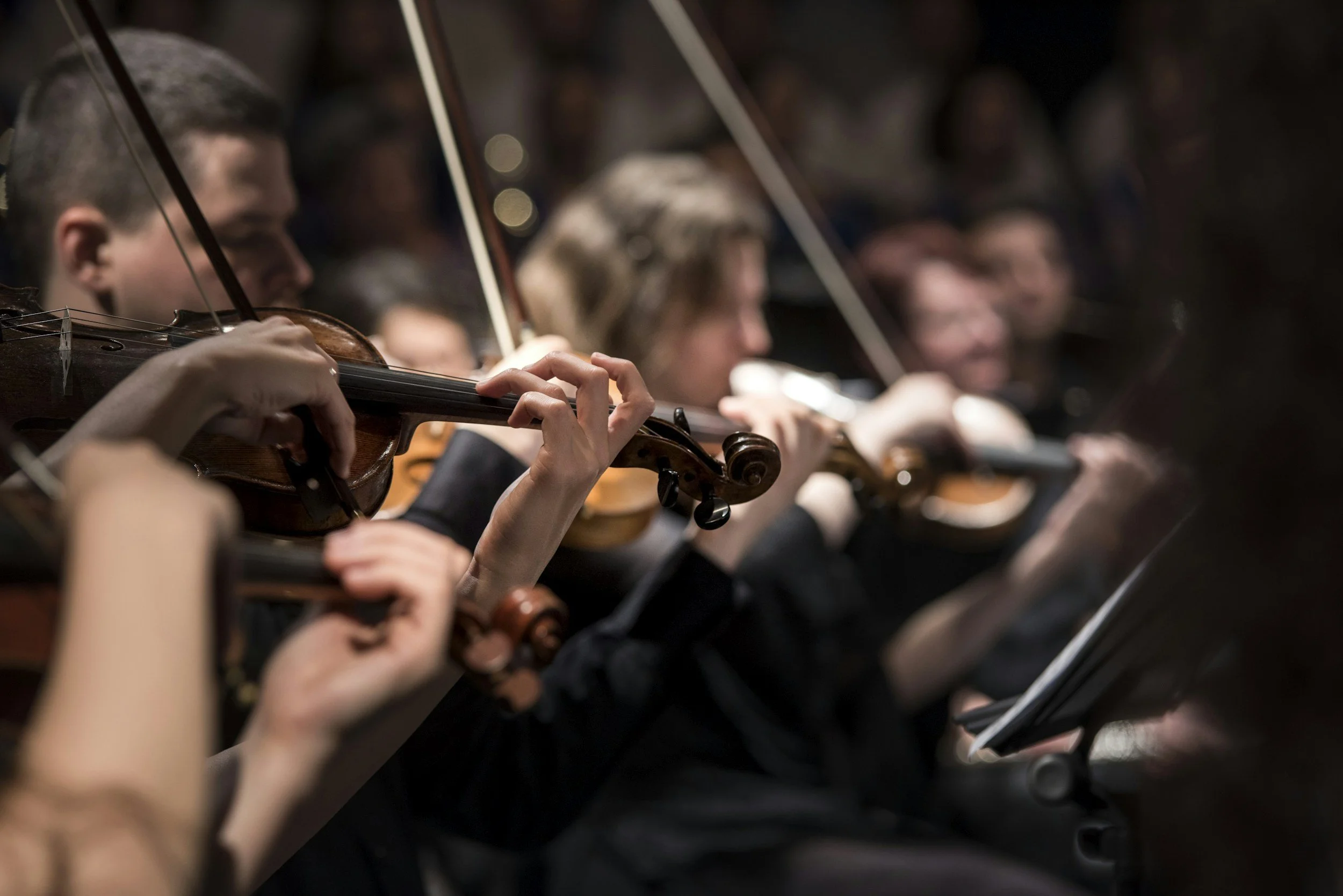
Connecting with the arts can help inspire HSPs.
Take care to meet your needs for rest and downtime. In fast-paced cities like New York, it can be common and expected for workers to skip breaks and work long hours. To the extent that you can, be firm about taking a lunch break and scheduling breaks between meetings, to allow yourself extra time to process and transition between tasks. On the weekends, resist the urge to overbook yourself with many activities, and be selective about commitments so you have plenty of time to rest and recharge.
Experiment with pace and space, and feel free to go against the grain. One day, I noticed I was walking quickly, not because I was in a rush, but simply because everyone around me was walking at a breakneck pace. I realized in that moment I wasn’t actually in a rush, and could choose to slow down my pace. This gentle shift felt like a huge breakthrough in how I choose to move through the city. You may wish to experiment with taking technology breaks, blocking off your calendar to do nothing, and other experiments.
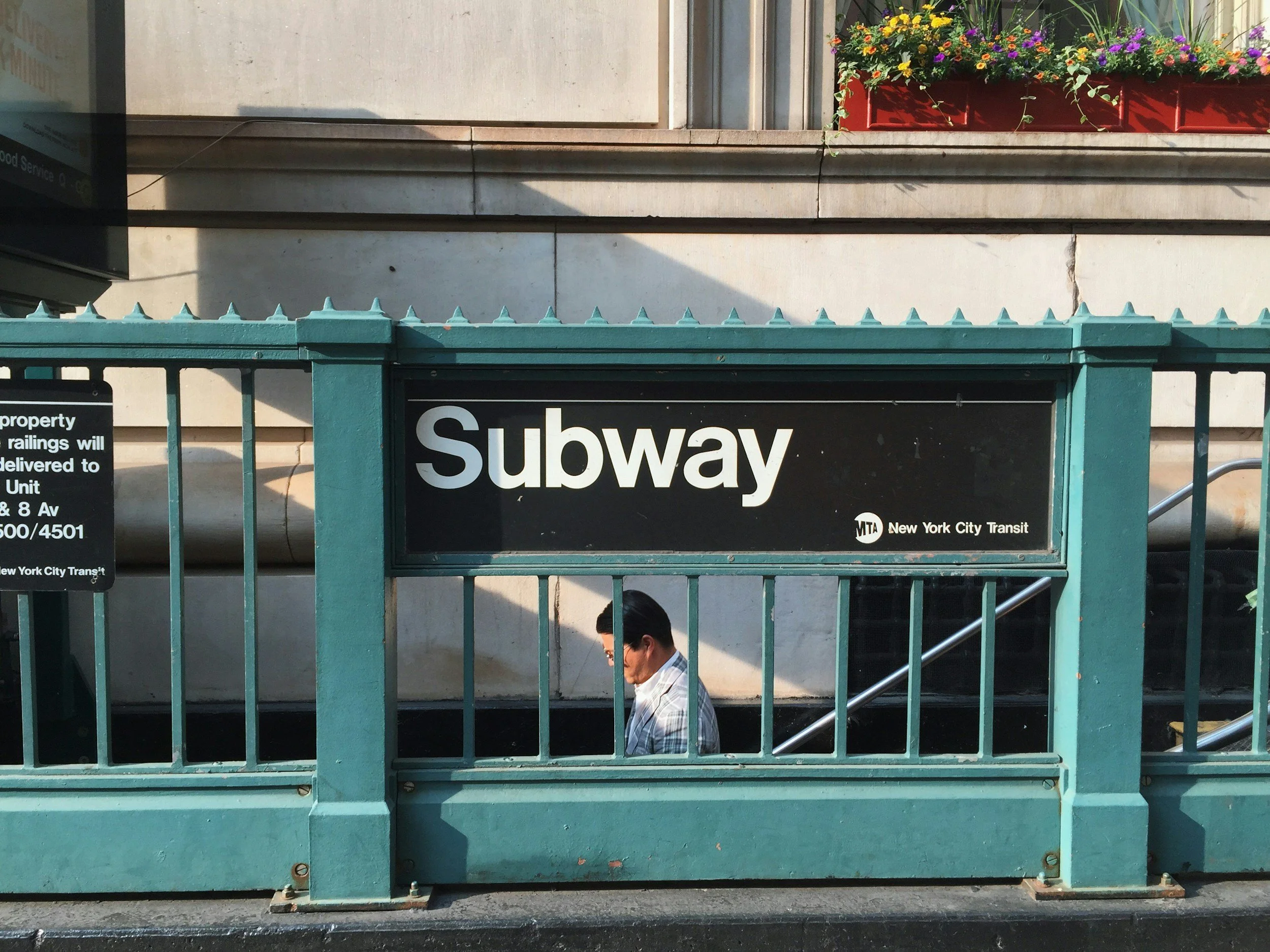
The NYC subway.
Reduce sensory overload. For most people living in NYC, sensory overload is a part of life, but you can take steps to reduce your exposure. For example, when commuting on the subway, bring along earplugs or noise-canceling headphones. See if you can work out an arrangement to work from home, travel during non-peak hours, or otherwise reduce your time in loud and crowded spaces. For those times when you have to take the train at peak hours, build in some buffer time to reduce the overall stress of commuting. Allowing an additional 10 to 15 minutes of extra time gives you the option to wait for a less-crowded train car if you feel you need to, and also eases the overall stress of the experience, because you won’t also be worrying about whether you’re going to be on time in addition to dealing with sensory overload.
Take refuge in parks, nature, and quiet spaces. There are some truly beautiful parks in NYC, and a bunch of smaller, hidden-away pockets of peace. Find places in the city where you can take a quick break to feel replenished — perhaps a quiet room in a museum or library, a favorite park bench, or other spaces where you can go for a break when you need to recharge. If you’re lucky enough to live close to one of the major parks, try going as often as you can.
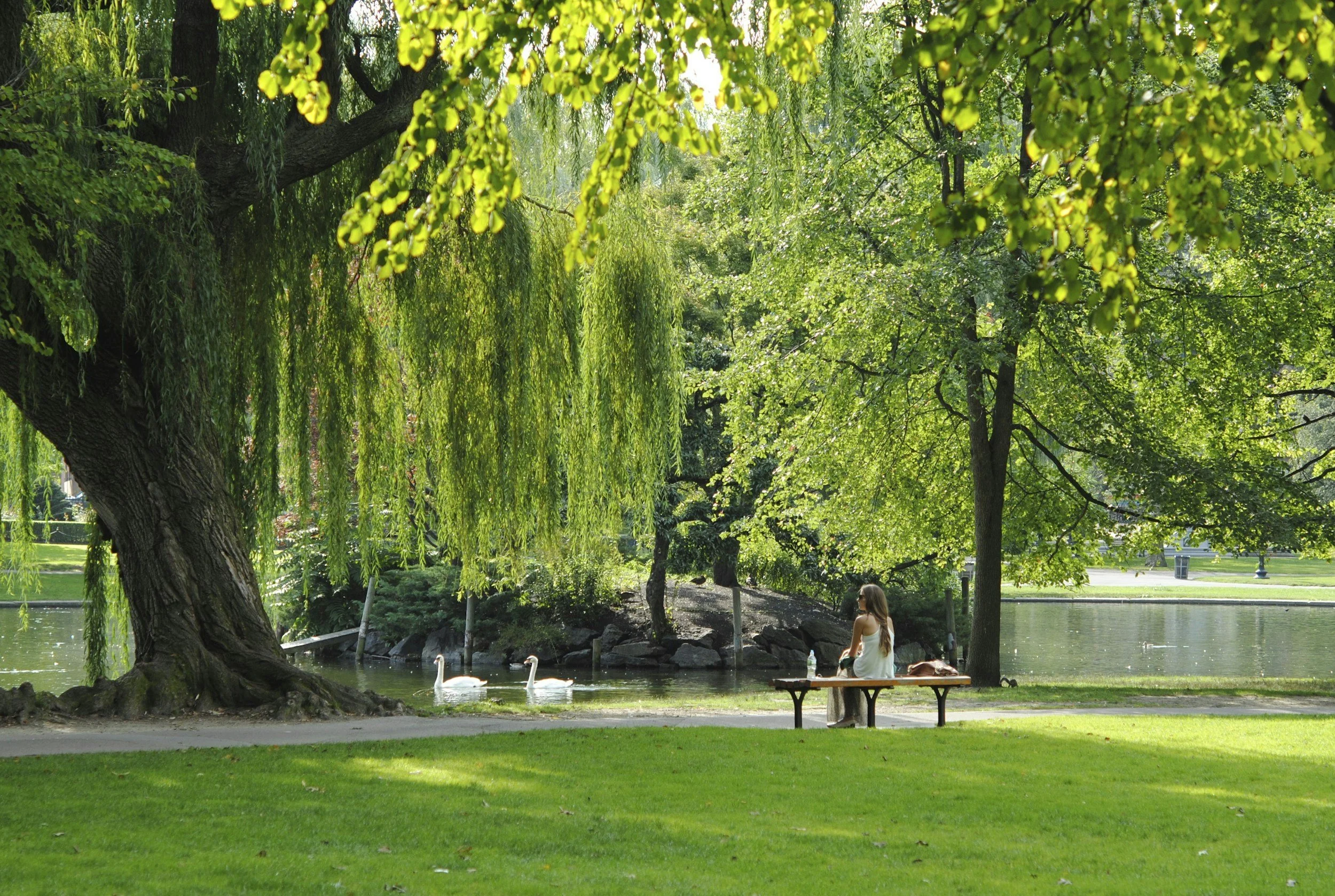
Escape to the park on a sunny day.
Self compassion. When we feel out of step with the world around us, it can be easy to find fault within and assume there’s something wrong with us. Remember: there is nothing wrong with you. You may be wired a little differently. That’s okay. It doesn’t make you any better or any worse than the next person. It just means you want to know your needs and attend to them as best you can. If you feel down on yourself, or if you start blaming or criticizing yourself, take a beat. Place one hand on your heart, and one hand on your belly. Take a deep breath, and notice how you feel. It’s okay to feel overwhelmed sometimes. It’s a part of being a human. Be kind to yourself.

Be kind to yourself.
Consider your “why,” and be honest with yourself about your feelings. Whether you were born and raised here, moved here for a job or school, or for some other reason, check in with yourself about why you live in New York City instead of someplace else. People have all sorts of reasons for living in one place rather than another. Depending on your situation, you may or may not have affirmatively chosen to live in NYC specifically. Whether you did or didn’t make a conscious decision around this, and whether you have complete control in the matter, you may want to reflect on what’s working for you here, and what the challenges are. There are specific challenges that come with life in NYC, but there are also benefits. There is no perfect place, and different places have different things to offer. They also bring out different qualities in us. You may find that living in NYC helps you develop more capacity to adapt and expand. Or it may feel like a daily struggle. Ask yourself: What works for you here? What feels difficult? What would you miss about NYC if you lived someplace else? What could make your life here even better? Have you ever tried living anywhere else? Would you like to? You may like to journal about this. Notice any feelings that come up as you reflect.
Try therapy. HSPs thrive with ample time to reflect, and can benefit from therapy. In fact, research shows that when HSPs are well supported, they can benefit even more than a non-HSP with the same supports. Research also shows that the most important indicator of successful therapy is the therapeutic relationship. Whether you’ve tried therapy before or this is your first time, you may benefit from working with a therapist who understands the nuances of being a HSP.
Would you like to work with a therapist who is also an HSP living in NYC, who gets what it’s like to be highly sensitive?
While no two HSPs are exactly alike, as an HSP myself, I understand some of the challenges that can go along with being highly sensitive, and I love working with fellow HSPs. I live and work in New York City, and I offer in-person sessions from my NYC office, as well as virtual sessions via Zoom. Reach out to schedule a consultation today.
