Summertime Sadness: Why Many HSPs Struggle in Summer
Many people love summertime — time off from work and school, vacation, days at the beach. But for many Highly Sensitive People, summertime can bring its own unique challenges. If this season is difficult for you, read on.
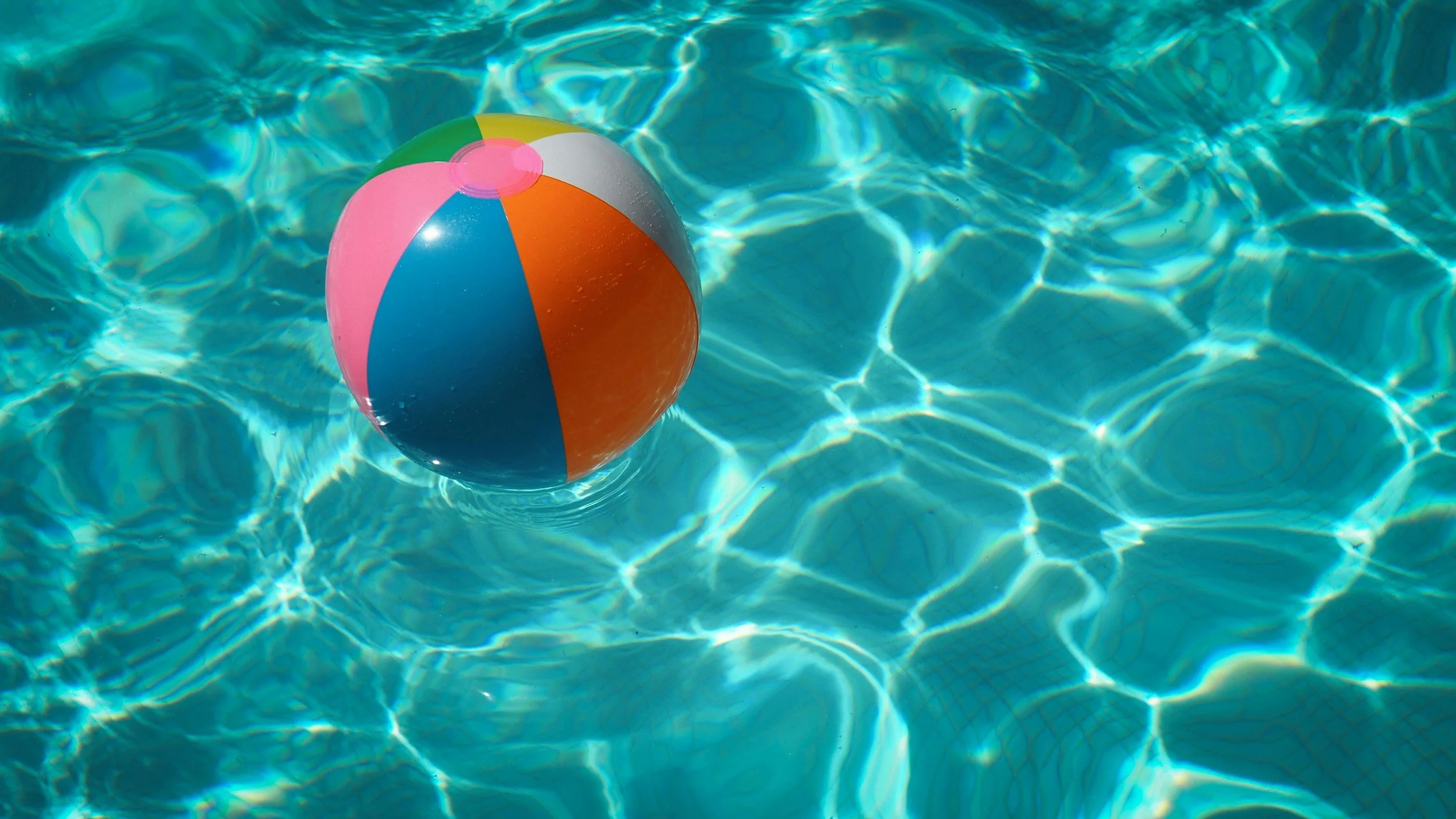
Why Summer Isn’t Always Easy for HSPs
It’s Too Hot
Heat and humidity can make many people feel tired, cranky, and out of sorts. Long days in the sun can lead to dehydration and headaches. These sensory challenges can be even harder for HSPs.
Moreover, extreme temperatures are not only uncomfortable; they can come with a side of existential dread about climate anxiety.
Social Expectations
Summer often comes with pressure to do more socially. We live in a culture that values extroversion, and this is pronounced in the summertime. This can lead to FOMO or feelings of tension between how you’d like to be spending your time and pressure to show up for others. This can be especially fraught for introverts and HSPs.
Disrupted Sleep
Extended daylight hours impact our circadian rhythms. When the sun doesn’t set until late, it can disrupt our sleep patterns. Inadequate sleep can then lead to a host of other challenges.
Body Dysmorphia
Summertime can bring up body image issues for many people. If you struggle with your appearance, the summer months can make it extra challenging to feel comfortable.
Memories of Past Summers
Our bodies have memory. If you had a difficult experience one summer, some of the sensory details — the slant of light, a certain aroma — can take you back to that place and time. If your summers growing up were difficult, or if you experienced a trauma during summertime, you may also be contending with associated memories and feeling states, even on a subconscious level.

How To Cope
So, what can be done to make the season a little easier?
First, name and accept your feelings. You may feel sad, frustrated, or lonely. Allow yourself to have these feelings, and know that there’s nothing wrong with you for having feelings. Remember that while you may feel like you’re in the minority, you’re not the only person feeling this way. It’s okay to not love — or even like — summertime.
Identify the aspects of summer that you do enjoy, and which are most challenging. Are there any aspects of summer you do enjoy? What are the hardest parts for you? If there are parts you enjoy, make a point of adding those experiences into your life. For example, if you love swimming but get cranky with too much sun, can you find places to swim with sufficient shade?
Take practical steps to reduce your exposure to extreme heat and sun. Can you spend some time outside, but stay out of the sun during peak hours? This may look like getting up early so you can go outside in the early morning hours, before the sun is at its hottest, or taking an evening walk when the heat is less intense.
Prioritize sleep. It can feel difficult when there’s so much going on, but sleep is foundational. Get blackout curtains and an eye mask, and keep your bedroom as cool as possible. Getting adequate rest will help you feel more resilient.
Dress for comfort — inside and out. Choose clothes that help you feel comfortable in your skin, both literally and figuratively. If this feels hard for you, take time to explore what kinds of clothes feel good for your body.
Communicate your needs and preferences with the people in your life.
While maintaining social connections is important, it can be helpful to ask for what you need and want in social situations. For example, if you’re invited to a picnic, can you express a preference for a spot with shade? Bring your water, your sunhat, and snacks. And if you only want to stay for a little while, that’s okay. Give yourself permission to do what you can without overextending yourself to the point of dysregulation.
If you’re traveling with others, communicate your needs and preferences ahead of time. You can say something like, “I’m really looking forward to our trip! Just a heads up that I don’t do too well in the heat, so I’d prefer to be more active earlier in the morning or later in the day. I’m also happy to do my own thing during the afternoons and catch up with the group at dinner.” Express your preferences, explore other people’s needs, and work out a plan ahead of time that takes into account everyone’s needs, including yours.
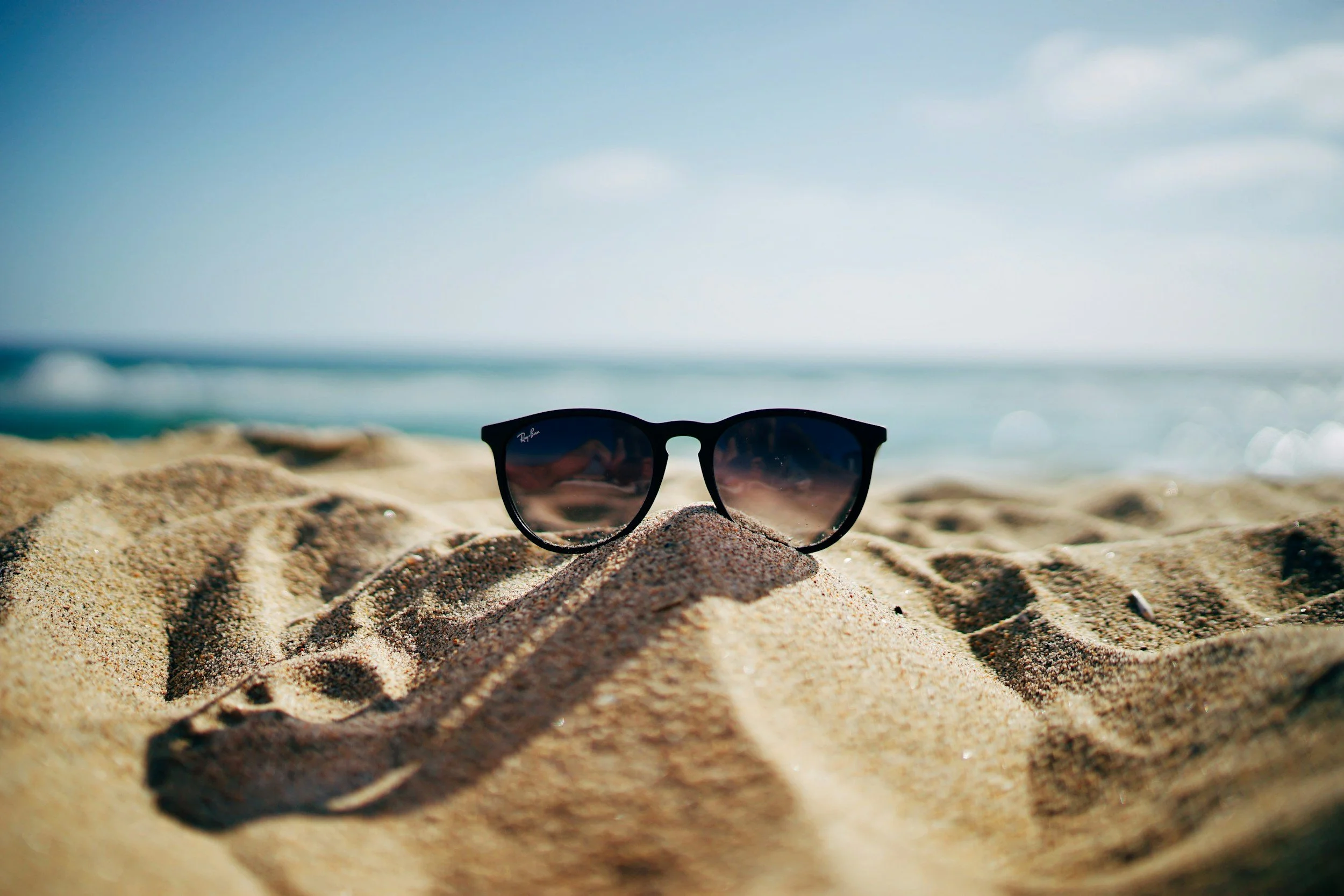
I hope these tips help you throughout the summer season. You’ve got this. And if all else fails, remember: fall is just around the corner!
Would you like to work with a therapist who gets what it’s like to be highly sensitive?
If you’re struggling with being highly sensitive, HSP therapy can help. As an HSP myself, I understand some of the challenges that can go along with being highly sensitive, and I love working with fellow HSPs. I offer in-person sessions from my NYC office, as well as virtual sessions via Zoom. You can learn more about my approach to therapy for HSPs here.
